
CRAIC Technologies™ Instrument Applications
Introduction
CRAIC Technologies™ offers a range of advanced scientific instruments, from premier UV-visible-NIR microspectrophotometers and UV, visible, NIR, and SWIR microscopes to robust Raman microspectrometers and a variety of accessories. These tools are designed for diverse research and industrial applications. Our systems are engineered for flexibility, allowing us to combine different packages to provide you with the ideal solution for cutting-edge results.
Here are just a few of the many applications that benefit from our microspectrophotometers, microscopes, and Raman microspectrometers. Our instruments can be configured to suit the specific types of analysis you need to perform, offering limitless possibilities with a CRAIC UV-Visible-NIR microspectrophotometer, microscope, and Raman microspectrometer.

UV-Vis-NIR Microspectrophotometer
UV-Vis-NIR Microspectrophotometer
The microspectrophotometer is designed to measure the absorbance, reflectance, fluorescence, photoluminescence and emission spectra of microscopic samples in the ultraviolet, visible and near infrared. CRAIC Technologies offers a number of different types including2030PV PRO UV-Visible-NIR Microspectrophotometer
2030XL PRO Microspectrophotometer for Large Samples
FLEX PRO UV-Visible-NIR MIcrospectrophotometer
508PV Spectrophotometer for your microscope
Materials Science, Chemistry & Physics
Materials Science, Chemistry & Physics
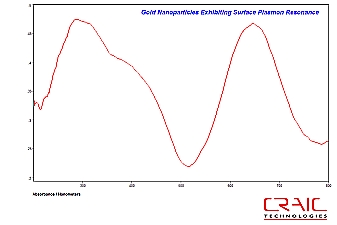
- Nanoparticles
- Photonic Crystals
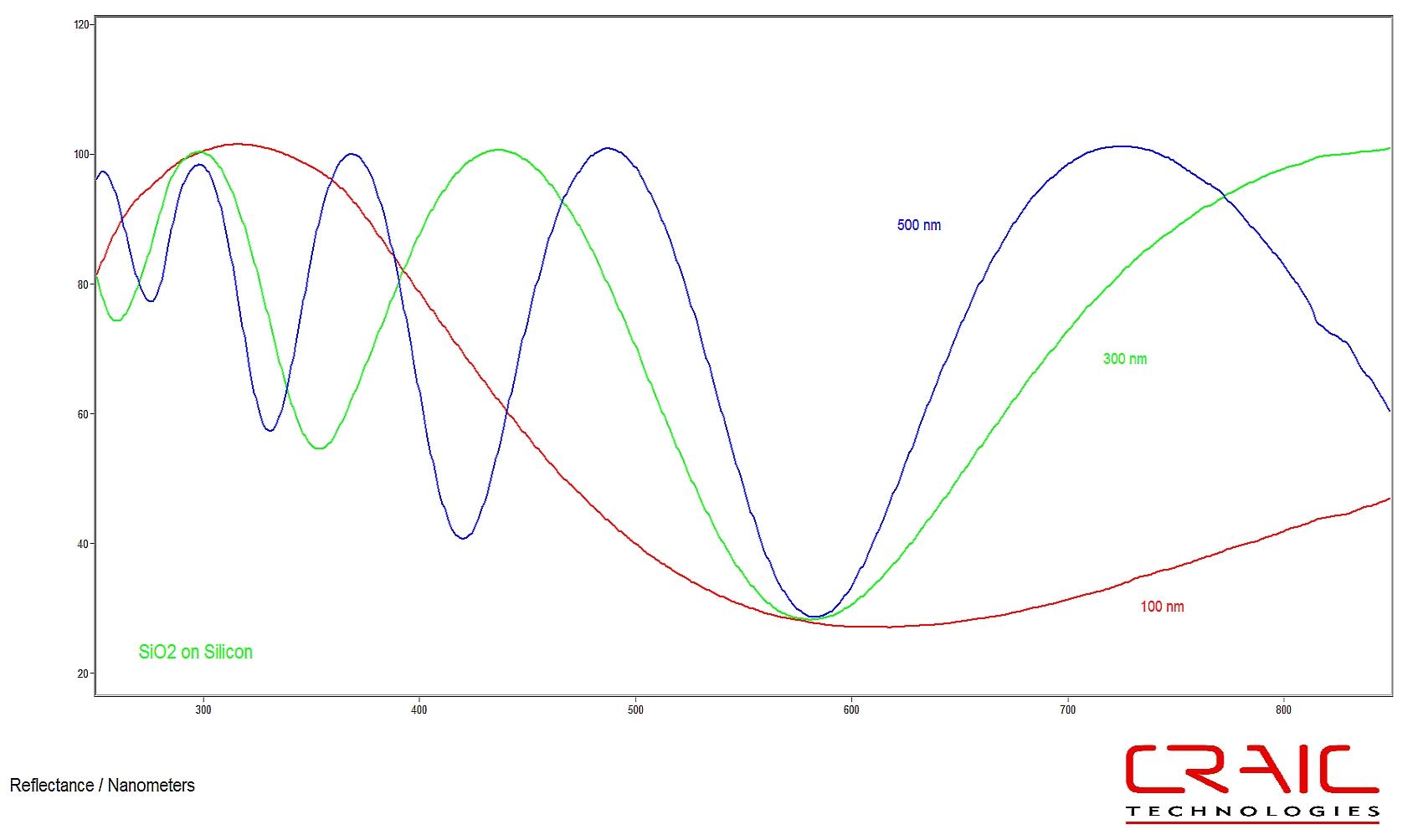
- Optical Thin Film Measurement
- Carbon Nanotubes
- Diamond-like Films
- Characterization of Non-linear Optical Materials
- Microscale Characterization of Nuclear Fuel Cladding
- Micro-contaminant Identification
- Micro-fluidic Device Development
Forensics
Forensics

Semiconductors, Hard Disks & Devices
Semiconductors, Hard Disks & Devices
- Microspot Film Thickness Measurements
- Locating Microscopic Contaminants on Hard Disks
- Identifying Microscopic Contaminants
- Materials Research and Development
- Failure Analysis
Displays

Pharmaceutical & Biology
Pharmaceutical & Biology
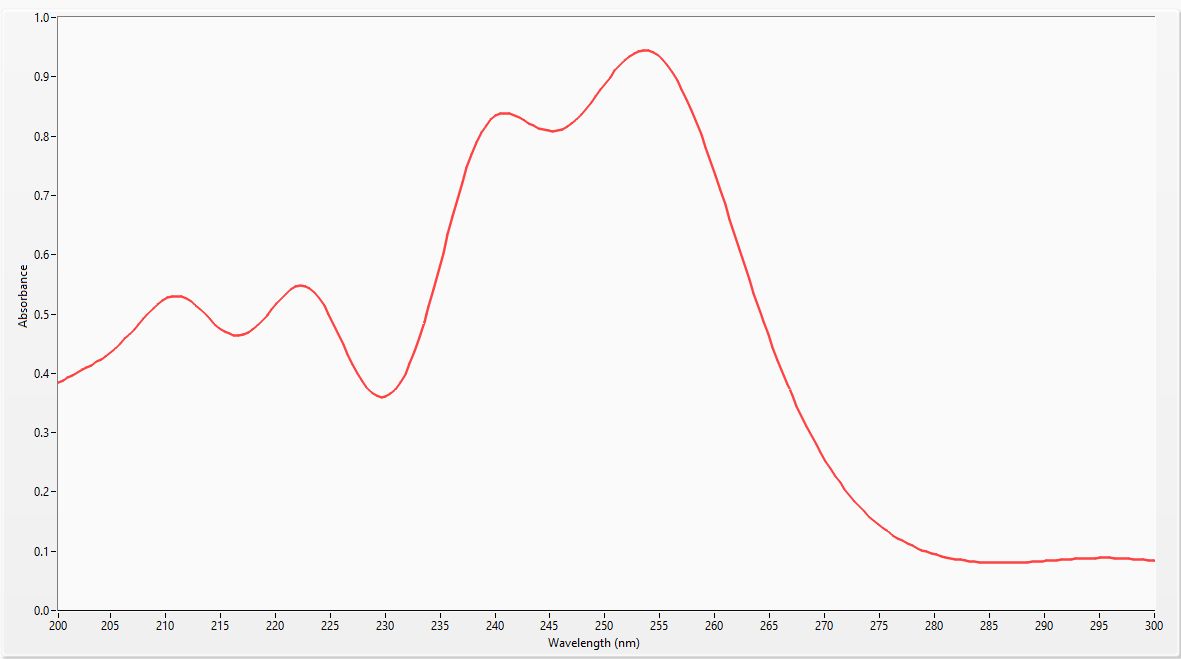
- Identifying Protein Crystals
- Identifying DNA Crystals
- Feulgen DNA Analysis of Microscopic Samples
- Identifying RNA Crystals
- Pharmaceutical Quality Control
- Active Ingredient Dispersal Mapping
- Contaminant Analysis
- Micro-fluidic Device Development
Geology
Geology
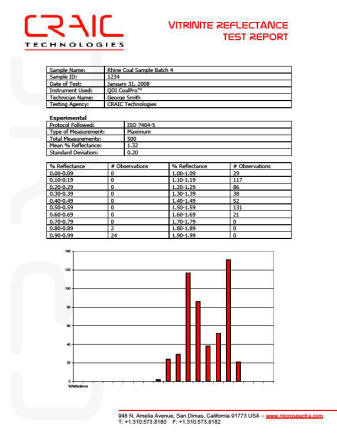
- Vitrinite Reflectance
- Kerogen Analysis
- Petroleum Source Rock Analysis
- Fluorescence Spectroscopy of Minerals
- Photoluminescence Spectroscopy of Minerals
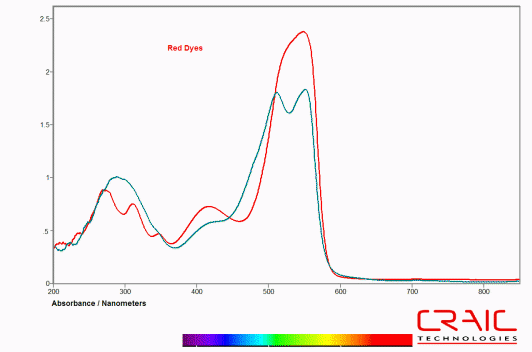
Art
Raman Microspectrometer
Raman Microspectrometer
The Raman microspectrometer is designed to measure the Raman spectrum of microscopic samples with a number of different exciting wavelengths.
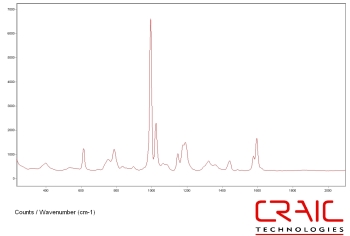
Raman spectroscopy is used to identify different molecules and even functional groups within larger molecules. The bonds formed between atoms have specific vibrational frequencies that correspond to the atom's masses and the strength of the bond between them. Complex molecules therefore exhibit many peaks and can be readily identified by the pattern or "fingerprint" created by those peaks. As such, there are many uses for micro Raman spectrometers as they can non-destructively identify microscopic samples or microscopic areas of larger samples.
Apollo M Raman Microspectrometer
Pharmaceutical
Pharmaceutical
- Drug Discovery
- Production Quality Control
- Contaminant Analysis
- Microfluidic Device Development
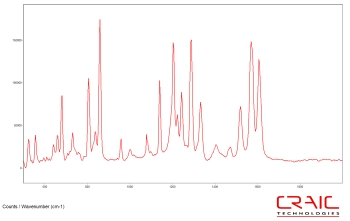
Semiconductor
Semiconductor
- Contaminant Identification
- Silicon Crystal Structure
- Measuring Strain in Silicon Devices
- Thin Film Quality Control
- Materials Research
- Failure Analysis
- LED and OLED Development
- Diamond-like Film Quality Control
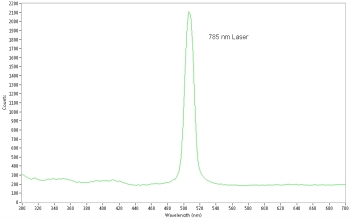
Forensics
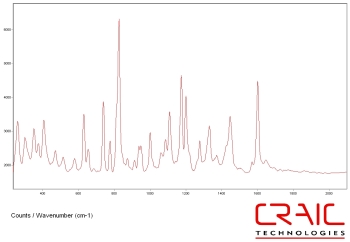
Geology
Geology
- Gemstone Ddentification
- Petroleum Analysis
Art
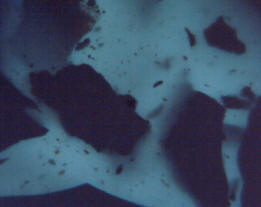
Art
- Pigment Identification on Paintings
- Dye Identification on Textiles
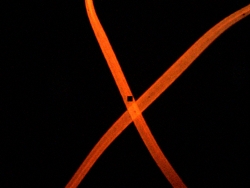
And more...
- Development of Pigments
- Development of Dyes
- Polymer Quality Control
Specialty Instruments
Speciality Instruments
CRAIC Technologies makes a number of industry specific instruments. These include GeoImage for analysis of coal and petroleum source rock and rIQ for the forensic analysis of glass fragments.
GeoImage
GeoImage
GeoImage™ is versatile, capable of measuring reflectance from coals, kerogens, petroleum source rocks, and various other materials. Its flexible design includes point counting capabilities, automated test procedures, and high-resolution color imaging.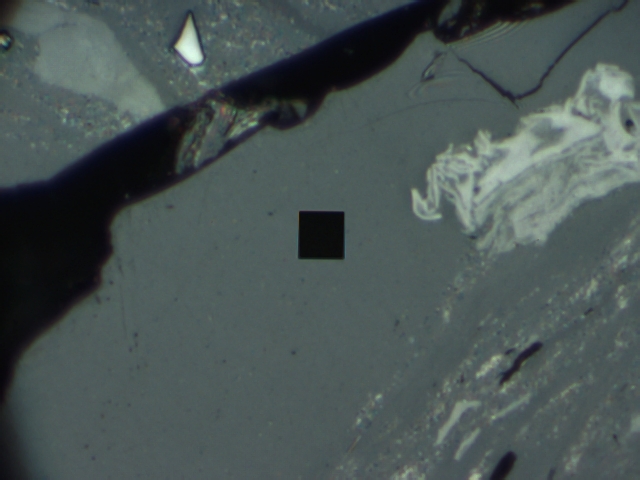
rIQ for Glass
rIQ for Forensic Glass Analysis
rIQ is solution for measuring the refractive index of glass fragments using the thermo-optical methodology defined by ASTM E1967
UV and NIR Microscopy
UV and NIR Microscopy
The UV microscope is designed to image microscopic sample features by absorbance, reflectance, fluorescence and emission in the ultraviolet, visible and near infrared. While the usable spectral range of this microscope covers the UV, visible and near infrared regions, their optics and light sources are optimized so that they are more effective in the UV region. As such, there are many uses for UV microscopes as they can non-destructively image microscopic samples in regions other than the visible.
UVM-1 UV-Visible-NIR Microscope
Pharmaceutical & Biology
Pharmaceutical & Biology
- Locating Protein Crystals
- Pharmaceutical Quality Control
- Active Ingredient Dispersal Imaging
- Contaminant Analysis
- Cellular Imaging
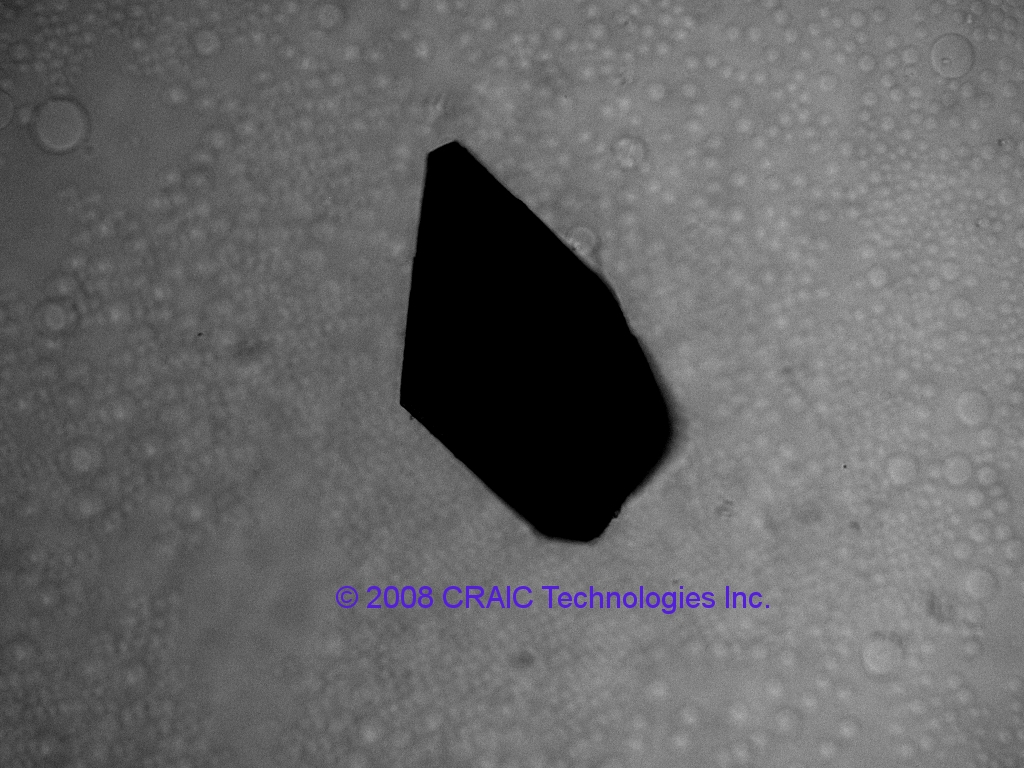
Semiconductor & Displays
Semiconductor & Displays
- Locating Microscopic Contaminants on Devices
- Ultra-high Resolution Imaging
- Materials Research
- Failure Analysis
- LED and OLED Quality Control
- Microfluidic Device Development
Geology
Geology
- Mineral Imaging
- Petroleum Analysis
Art
Pharmaceutical & Biology
Pharmaceutical & Biology
- NIR Fluorescence of Biological Samples
- Pharmaceutical Quality Control
- Active Ingredient Dispersal Imaging
- Contaminant Analysis
- Cellular Imaging
- Moisture Detection by Microscopy
Semiconductor & Displays
Semiconductor & Displays
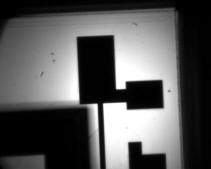
- Locating Defects Within Bonded Silicon Wafer Devices
- Quality Control of Diode Lasers
- Materials Research
- Failure Analysis
- Carbon Nanotube Imaging
- Microfluidic Device Development
- Polymer Microimaging
Applications Papers
Instrument Applications Papers
As there are so many uses for CRAIC instruments, we have an extensive library of applications papers that show how CRAIC microspectrometer products and CRAIC UV-visible-NIR microscopes are used. CRAIC instruments have been used in many fields of science and industry and the range keeps expanding.
Not sure which system is your best solution? Call a CRAIC sales representative at +001-310-573-8180 or by email sales@microspectra.com and someone will be happy to talk to you about your requirements. We can also help you with techniques and approaches to applications. See how CRAIC can bring your experiments to light.
